


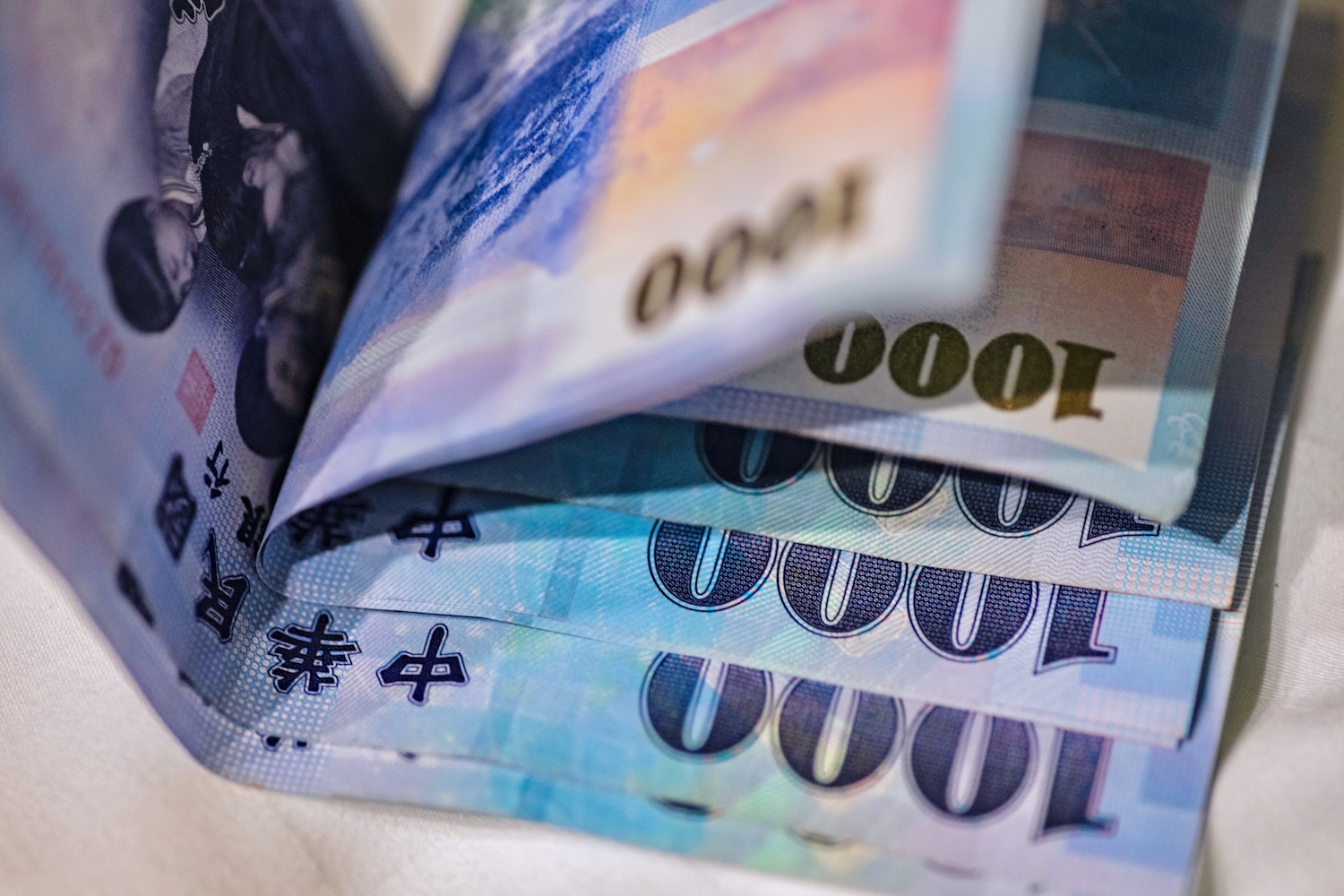
Covid-19 accelerated many trends in Asia, among them a shift away from cash. This was seen especially acutely on the Chinese mainland with its adoption of QR payment technologies like Alipay and WeChat but also in Japan, where a combination of credit cards and IC transport cards can now almost completely replace paper money.
in Taiwan, for better or for worse, it’s been more of a mixed bag. You can pay with card in a few more places now than you could prior to 2020; but acceptance is not even close to being universal.
Over the next few paragraphs, I’ll help you understand when to use cash or card in Taiwan, though with a general caveat: Cash is still almost always king in Taiwan.
Digital Country; Analog Currency
Arriving at Taoyuan Airport, the ubiquity of credit cards in Taiwan (or lack thereof) might surprise. And not just because, as of 2026, you can tap a Visa or Mastercard to gain access to the Taoyuan Airport MRT. The reality is that Taiwan comes across as an extremely modern, even futuristic country, from its efficient immigration system, to the various services in the arrivals area, to the sensibility of Taiwanese people.
There are a few things at play here, the most important of which is unfortunately political. Given that Taiwan is not part of China (and, crucially, that China is not at peace with this fact), Taiwan has not leapt onto the QR payment bandwagon largely started by Alipay and WeChat. Another reason? Businesses in Taiwan tend to locally- rather than internationally-focused, even in Taipei—investing in infrastructure to take credit cards payments simply hasn’t been worth it.
Places You Can’t Use Credit Cards in Taiwan
Night markets
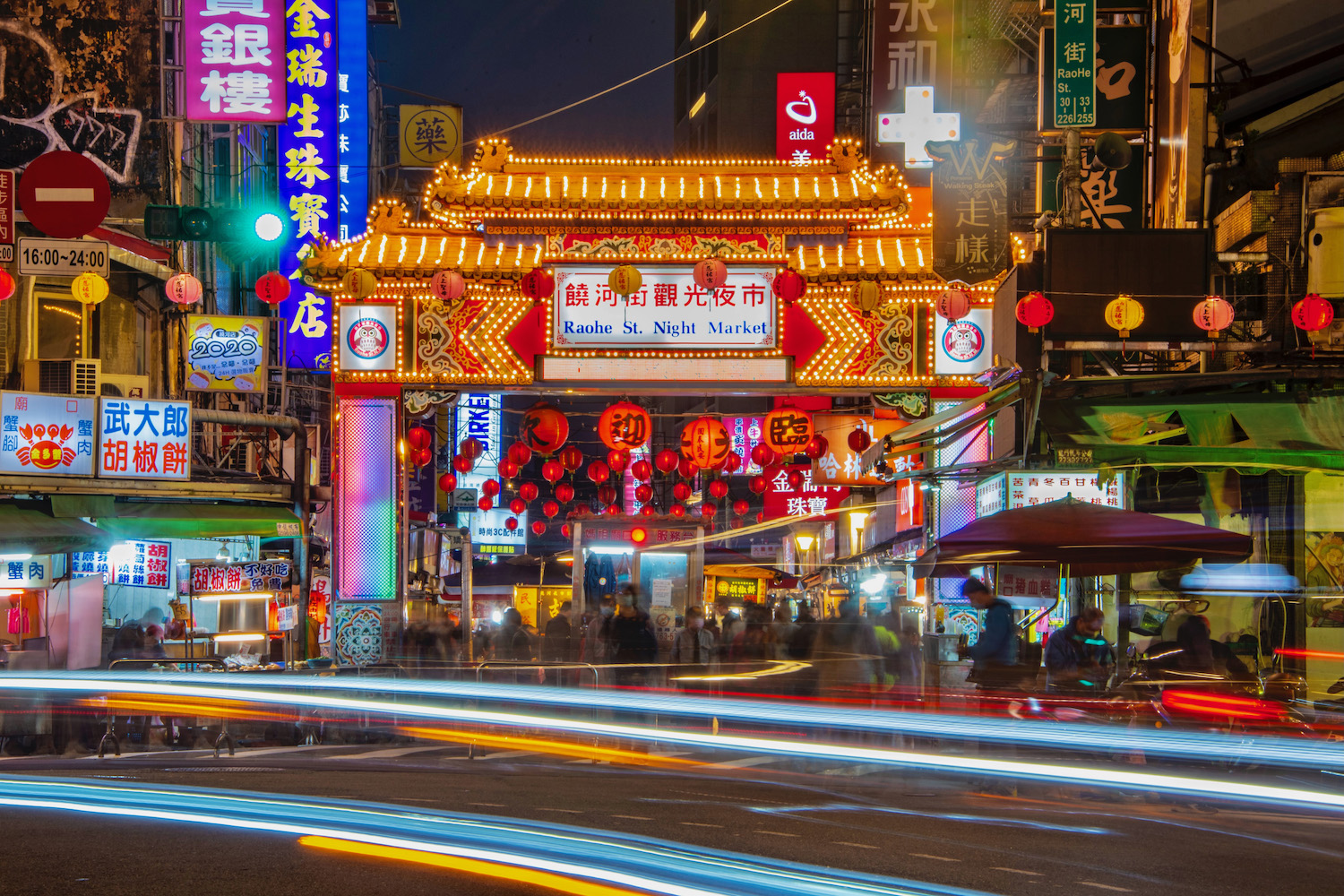
If you’ve spent any time in Taiwanese night markets, it probably won’t shock you that they are generally cash-only zones. Street-food setups tend to be pretty low-tech, not to mention the fact that there is usually no physical room for a payment interface. With this being said, I have occasionally seen night market merchants accept tap-to-pay.
Local restaurants
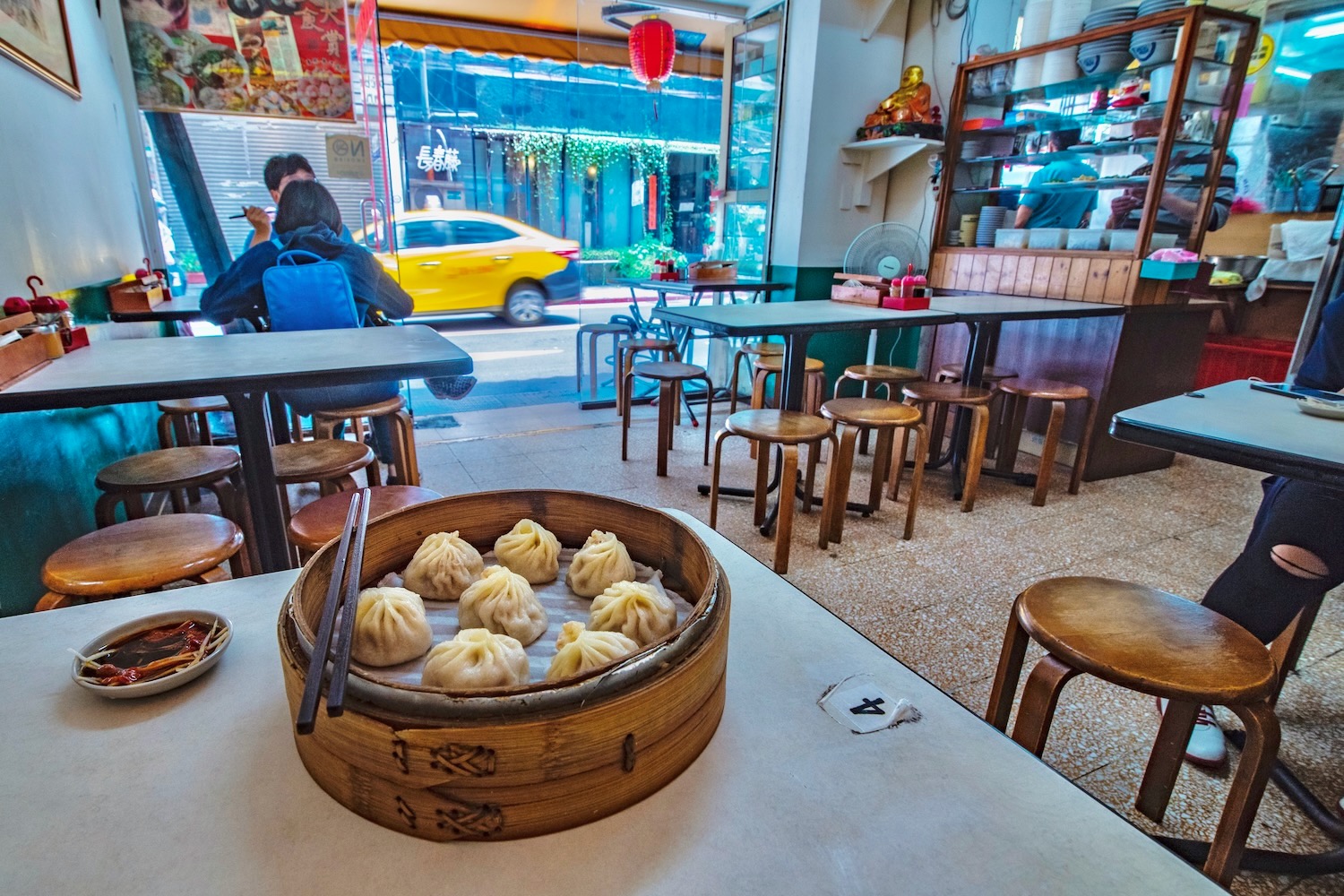
Likewise, many local Taiwanese restaurants are run by older families, who simply have no interest in adopting credit card payments, even if doing so could increase the revenue-per-customer, not to mention save them having to keep cash on hand. Again, I occasionally find myself surprises, but these situations are the exception, not the rule.
Family-owned accommodations

Accommodation in Taiwan remains heavily skewed toward family-run guest houses and B&B, with larger hotels generally available only in big cities; even then, Airbnbs heavily outnumber hotel rooms. Conservatively, I’d say that on any given trip, I need to pay for at least half of my Taiwan accommodation in cash; this is closer to 100% in rural areas.
Small to mid-sized attractions

Obviously, you don’t need to pay cash to access the Taipei 101 observatory, or to visit the National Palace Museum. With this being said, many local attractions and events (such as the Luye Balloon Festival, or the Pinglin Tea Museum) accept cash-only payments, at least as of this moment.
Public transportation (though that’s changing)
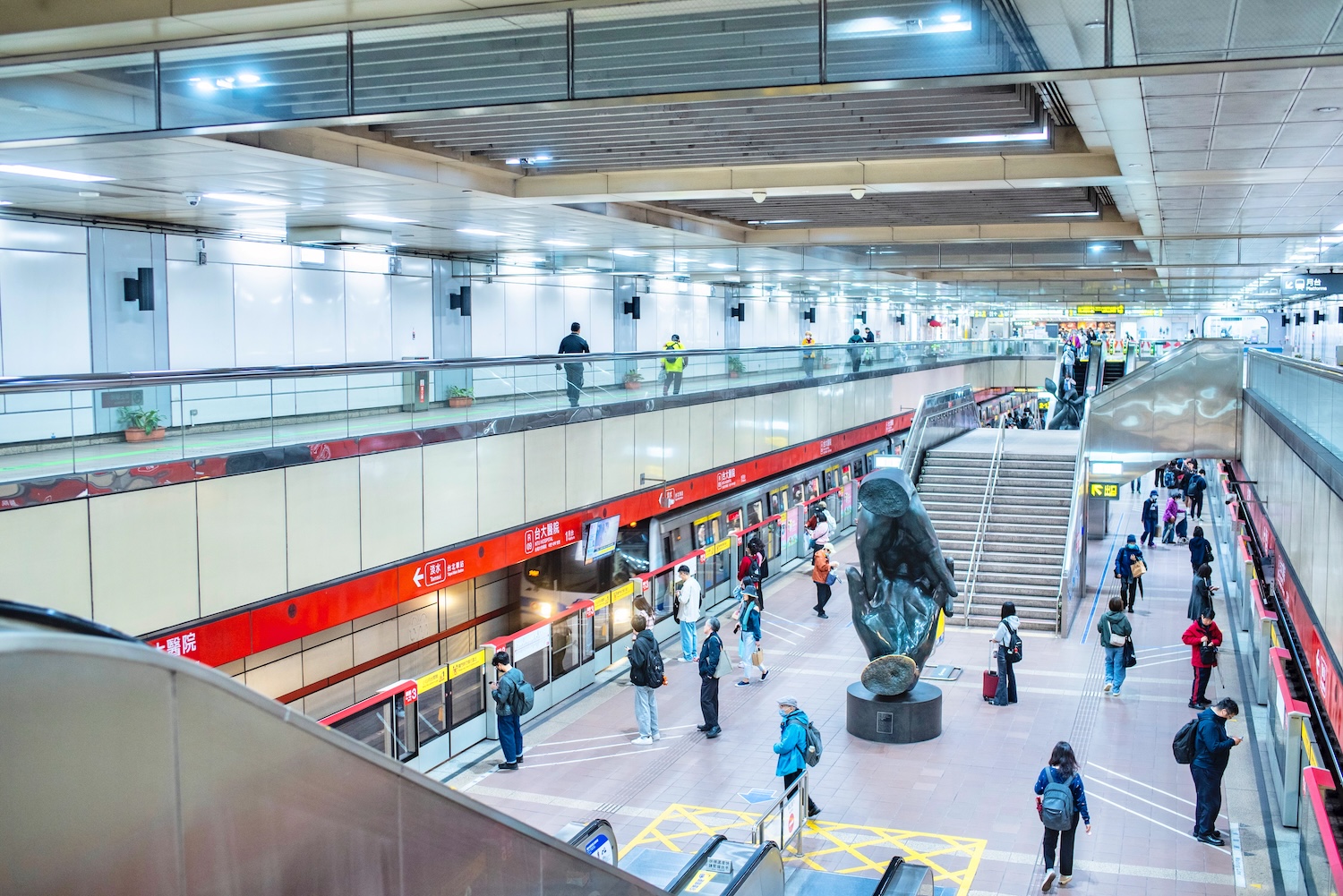
The good news? You can now rent a YouBike in Taiwan without registering your card, and simply by scanning a QR code on your phone, which will charge your credit card. The not-as-good news? While an increasing number of public transport modes accepting tap-to-pay credit cards, both physical ride tokens and EasyCards top-ups generally require cash.
Where Credit Cards Are Preferred in Taiwan
This is not to say, of course, that it’s never possible to pay with credit cards in Taiwan. In fact, many businesses prefer cars. For example, when you rent a car in Taiwan, you’re often required to pay with a credit card. In less extremely circumstances (i.e. hotels or gas stations, especially large corporate ones like CPC), you can pay with cash, but paying with a card is a better idea given large transaction amounts.
Another place in Taiwan you can basically always pay with credit cards? Large shopping mall and department stores, at least at brick-and-mortar stores; this is often not the case at small kiosks, and is almost never possible at the food court. Do keep in mind that in the instances where you can pay with card in Taiwan, the device that takes your payment usually supports NFC payments such as ApplePay, Google Pay or Samsung Pay.
Other FAQ About Cash or Card in Taiwan
Should I bring cash or card to Taiwan?
You should obviously bring credit cards (and/or your NFC-enabled smartphone) to Taiwan, but you should plan on having plenty of cash available as well. From street food to local guest houses to public transportation, cash remains king in Taiwan. Specifically, I like to keep around NT$10,000 (~300 USD) on hand at all times.
How much cash do I need for a week in Taiwan?
There are two separate answers to this question. In terms of how much money you need for a week in Taiwan, I usually suggest a minimum of 100 USD per person per day, not including international flights. So you’d need no less than 700 USD for a week in Taiwan. In terms of how much of that needs to be cash, I typically carry at least NT$10,000 on my person at any given moment.
What is the best way to pay in Taiwan?
The best way to pay in Taiwan really depends upon the specific transaction. The smartest travelers will have both credit cards (ideally ones without international transaction fees) and enough cash for any situation, ideally at least NT$10,000 on hand at all times.
The Bottom Line
Should you pay with cash or card in Taiwan? The sad reality is that while credit cards are slowly becoming accepted in more and more Taiwan destinations, cash is always the safest alternative. Even as of the late 2020s, I still usually withdraw a minimum of 10,000 TWD from an ATM upon my arrival in Taiwan, and try to keep around that much on my person at all times. You simply never know when a local accommodation or restaurant will refuse to accept credit cards—and you don’t want to find yourself with a bill to pay and no cash in hand. Thankfully, I only accept digital payments for my custom Taiwan itinerary planning service, allowing you to save your paper money for your trip.